
Our Vision

An inclusive society, where respect and understanding between different individuals and cultures prevails.

Theatre, storytelling, and non-formal education for a more inclusive world.

Our Mission
Through our work we create inclusive spaces for learning and dialogue to inspire meaningful collaboration, critical thought and celebration of our shared humanity.

We design and run theatre, storytelling, and non-formal education programmes with young people and adults; we train educators and facilitators in these methods; and we advocate, with the people in the room, for the policies that make inclusion real rather than a performance.
Culture.World.Me. was founded in 2015 by Oksana and Miriam. Oksana, a trainer and an International Human Rights specialist and Miriam, a trainer and a Drama Pedagogue, came together with the main aim to raise awareness about human rights using the language of theatre and performing arts.
Our mission and vision changed over time from focusing only on the topic of human rights to going deeper into it and exploring our shared humanity. We noticed that the methods we used were doing more than just educating about human rights.

Oksana Tykhovska
Founder
Our greatest passion is nurturing respect to cultural diversity worldwide and contributing to an inclusive society where values such as respect, collaboration and understanding prevail.
OUR TEAM consists of youth workers, drama teachers, artists, who love to use methods of theater, non-formal education, LARP, storytelling, etc. in their work. We often invite specialists and practitioners whose work is of benefit to enhance programs and workshops we run.

OUR TARGET GROUPS are of various age and background. We work with both youth and adults. Both, leaners and educators.
Three Horizons

Where the next decade takes us.

Three time periods, one direction: the work becomes more public, more borrowed, and more shared. Click a horizon to read it.

2026 – 2027 Make the house visible.

We're organising eleven years of real work into a clear public home: published methods, an honest account of our advocacy, and a corporate offer that never dilutes our human rights core.

Continue reading

Human Rights Education framework

Read the framework that sits underneath every programme we run.

Read the framework

Quality Framework

How we hold our own work to the standard we ask of the field.

See the Quality Framework

Full Vision & Mission document

The complete document — including internal KPIs and targets — as a downloadable PDF.

Download the PDF
Stichting CWM Education 2036

We are the organisation practitioners open first when they need a method that works, and the one young people point to when they ask whether their voice actually changed a decision.

We will not claim a better world. We will keep rehearsing the rooms in which a better world becomes possible and we will publish what that rehearsal teaches us.

The test we use on our own work

Quality is visible in the design, not in the adjective. Before something goes out under our name, it should be able to fill this table.

Purpose
What rights, power, or participation question this session explores
People
Who it is for, and who it is not for
Method
Which named method, and why not a lecture
Conditions
Time, group size, space, language, access
Consent
How people opt in, pass, or stop
Debrief
How meaning moves from experience to understanding
Risk
What power dynamic or harm we are watching for
After
What is recorded, what is returned, what is not extracted

Additional directions

Strengthening this positioning

Each piece extends a framework already named above. We publish them here so the vision has a workplan.

Rehearsal room, young participants taking field notes after a non-formal education session, no decorative crowd
First edition planned

State of Youth Voice Through Theatre

A short annual, evidence-based publication summarising what our projects learned that year about youth participation and rights. It is our contribution to the same evidence conversation the EU Strategy on Intergenerational Fairness is building — closer to a brief than to a glossy impact report.

Tied to EU Strategy on Intergenerational Fairness
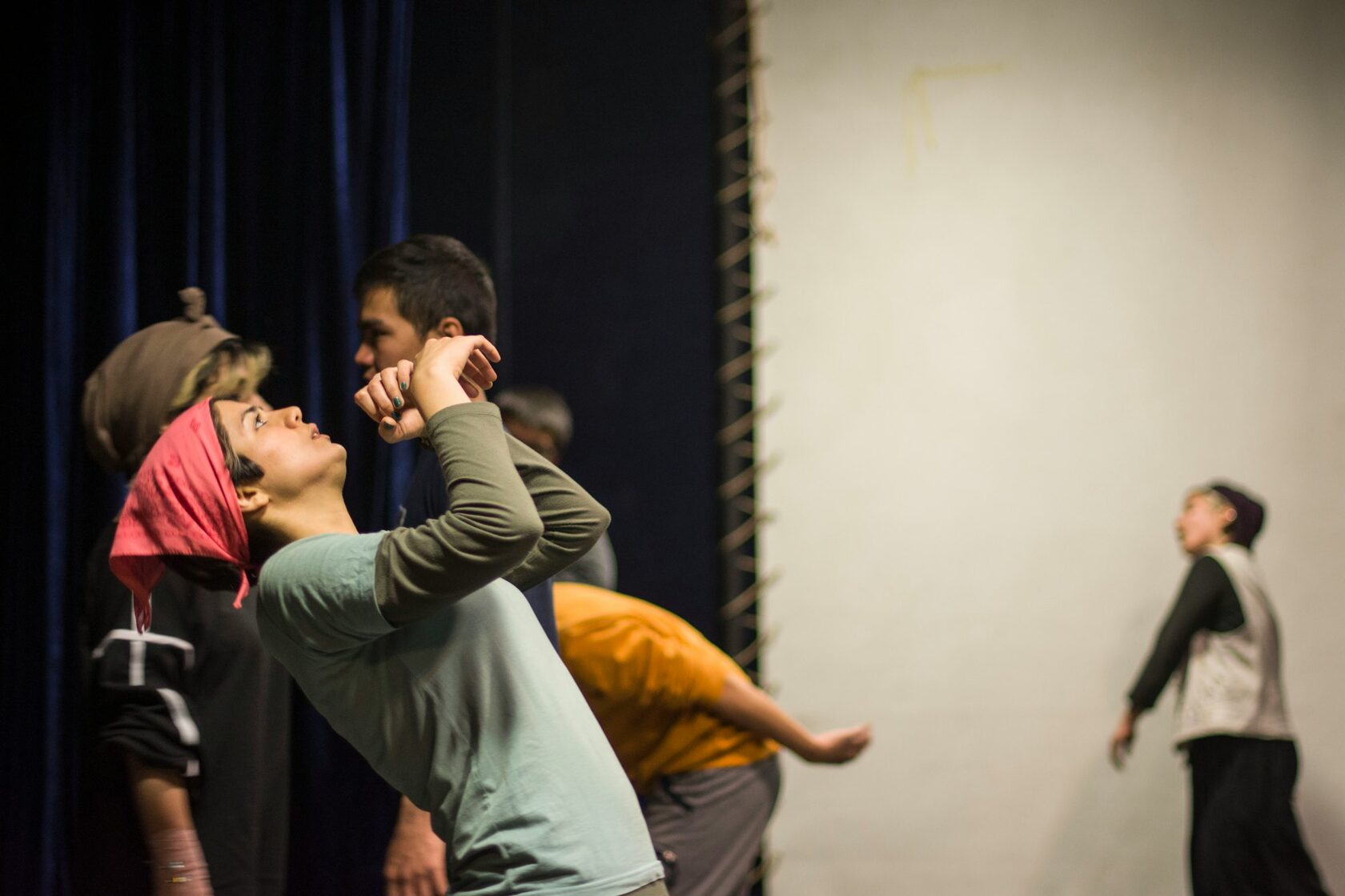
Community room, young people composing a theatre image together for a civic reflection, no decorative crowd
In design

Voices of the Future — local, theatre-based

Voices of the Future is launched under the Intergenerational Fairness strategy with the Committee of the Regions, inviting local and regional actors to help shape their region's future. A CWM session would use theatre so young people can shape a regional question rather than fill in a form. Citable on the website and on our Salto profile.

Tied to EU Strategy on Intergenerational Fairness
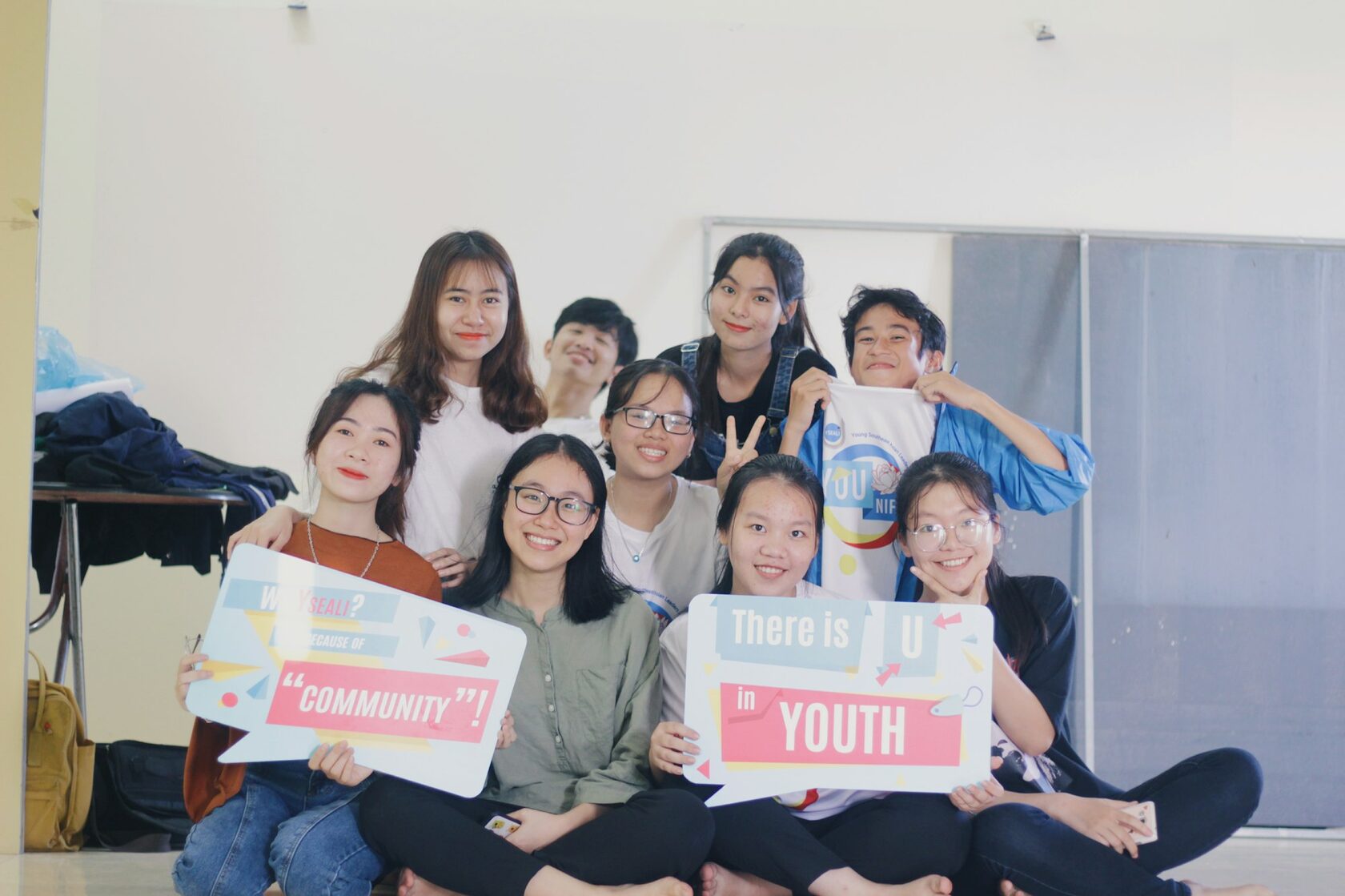
Workshop room, young people seated in a forum-theatre layout for a policy consultation, no decorative crowd
In design

Youth Check companion methodology

The Commission has committed to a Youth Check on new policy proposals. We will develop and publish a practical, theatre-based companion method that municipalities and organisations can use to consult young people for real, rather than survey them. It extends the Quality Framework.

Tied to EU Strategy on Intergenerational Fairness · Quality Framework
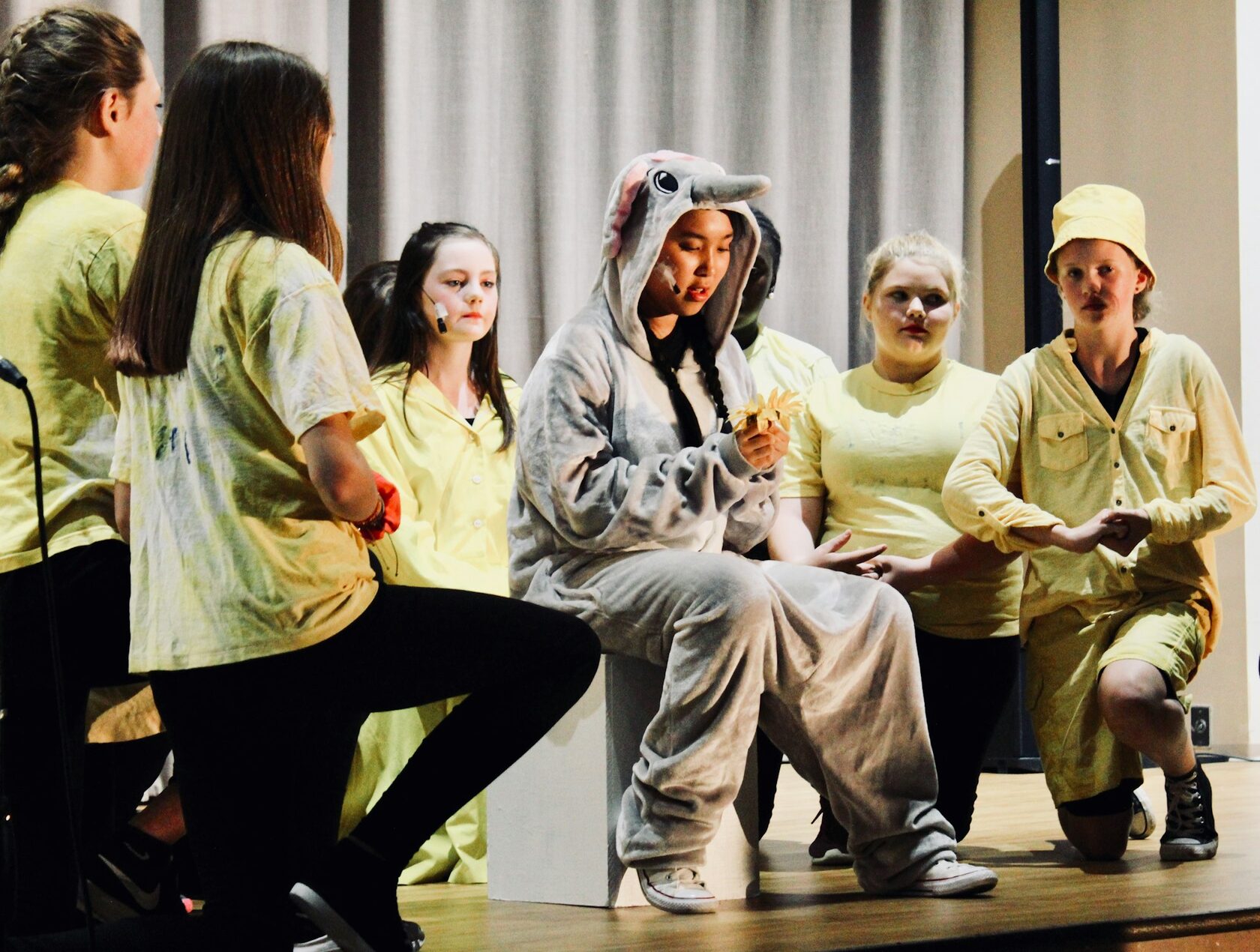
Evening, small public showing in a community room, workshop participants gathered, no decorative crowd
First edition planned

Intergenerational Fairness Day · 16 November

One public-facing moment a year — a themed workshop, a short performance, or a published reflection — tied to a real EU-designated date. This gives Insights & Policy a calendar, not only a page.

Tied to EU Strategy on Intergenerational Fairness
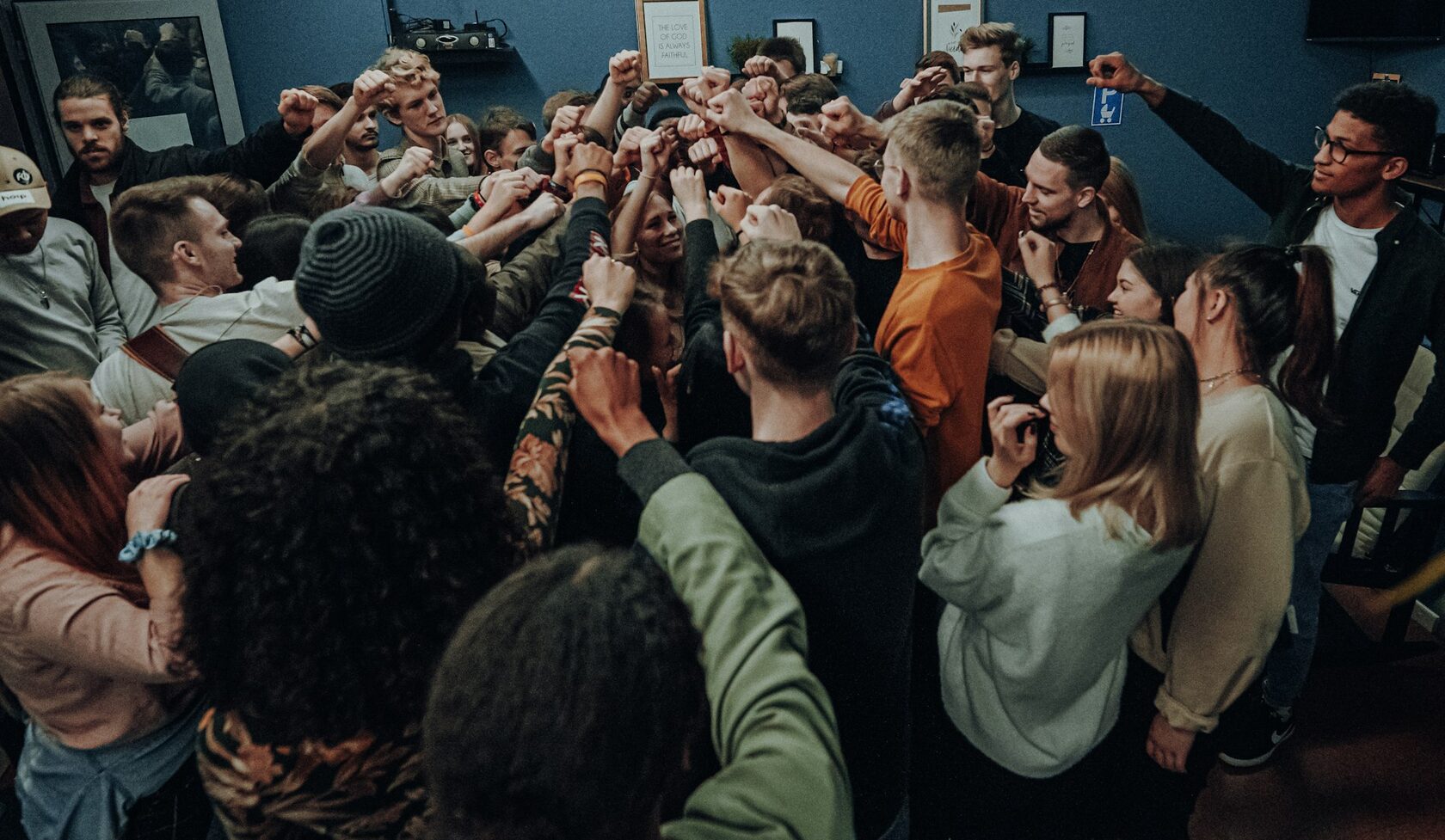
Workshop room, theatre of the oppressed session with young participants, no decorative crowd
In design

Rights-mapping on every method page

For Theatre of the Oppressed, Playback, Biographical Theatre, improvisation and embodied storytelling, we will name the rights cluster and the CRC/UDHR articles the method makes experiential. Methodologies becomes a pedagogical reference, not a list of services.

Tied to UN CRC · UDHR · Council of Europe HRE standards

Workshop room, facilitator and a young participant writing side by side as colleagues, no decorative crowd
In design

Youth rapporteur / co-author

Shared ownership of outcomes, made visible. Young participants, with consent, credited by name on posts, policy reflections, or a section of an annual note. The lowest-cost way to make "youth participation" a practice rather than a value statement.

Tied to UN CRC Art. 12 · EU Youth Strategy

Side of the room, a participant and a facilitator in a quiet conversation about consent and how stories are used, no decorative crowd
In design

Research and data-ethics protocol

A public version of the commitments we already work with: informed consent, confidentiality, the right to withdraw, and explicit agreements — made with participants, not assumed — about how stories and data are used, published or archived.

Workshop room, a young participant reading a human-rights education handbook, no decorative crowd
Live on this page

Frameworks we work within

The matrix above is the centrepiece. It stays a living document. When instruments change, the row changes. That is how a foundation tracks policy instead of citing it once.

Work with us

We welcome municipalities, schools, youth organisations, funders and fellow practitioners who share this frame and want long-term, evidence-grounded work.

What you can expect

  • named methods, named limits, named evidence
  • young people and communities credited as co-authors where they shaped the work
  • advocacy described as it is now: workshop knowledge into notes; co-authorship where it exists; a youth voice structure we are building
  • no claim of a lobbying operation we do not run
Stichting CWM Education
Culture.World.Me
Human rights education through theatre
Amsterdam
Contact
cultureworldme@gmail.com

Herengracht 449A
1017 BR Amsterdam
The Netherlands

PIC 893604644
OID E10256706
Subscribe for Events
© 2026 Stichting CWM Education · Amsterdam
Close
Be the first to know about our events!